Is It Really Your Transmission? 8 Quick Checks San Antonio Drivers Can Do Before Panicking
Practical, safe at-home checks San Antonio drivers can run through—fluid, noises, leaks, dash lights, and simple tests—to help decide whether an issue is likely a transmission problem and when to contact Access Transmission.
Why a quick checklist helps
A worrying noise or strange shifting can make any driver assume the worst. Before scheduling a tow or an expensive repair, a few simple, safe observations can clarify whether the transmission is likely the source or whether the problem may lie elsewhere. This checklist is designed to help San Antonio drivers gather useful information to describe symptoms to a technician, reduce unnecessary anxiety, and decide when to call a transmission specialist such as Access Transmission (3255 Thousand Oaks Drive, San Antonio). For appointments call (210) 490-4411 or visit https://www.accesstransmission.com.
1) Check the transmission fluid: level, color and smell
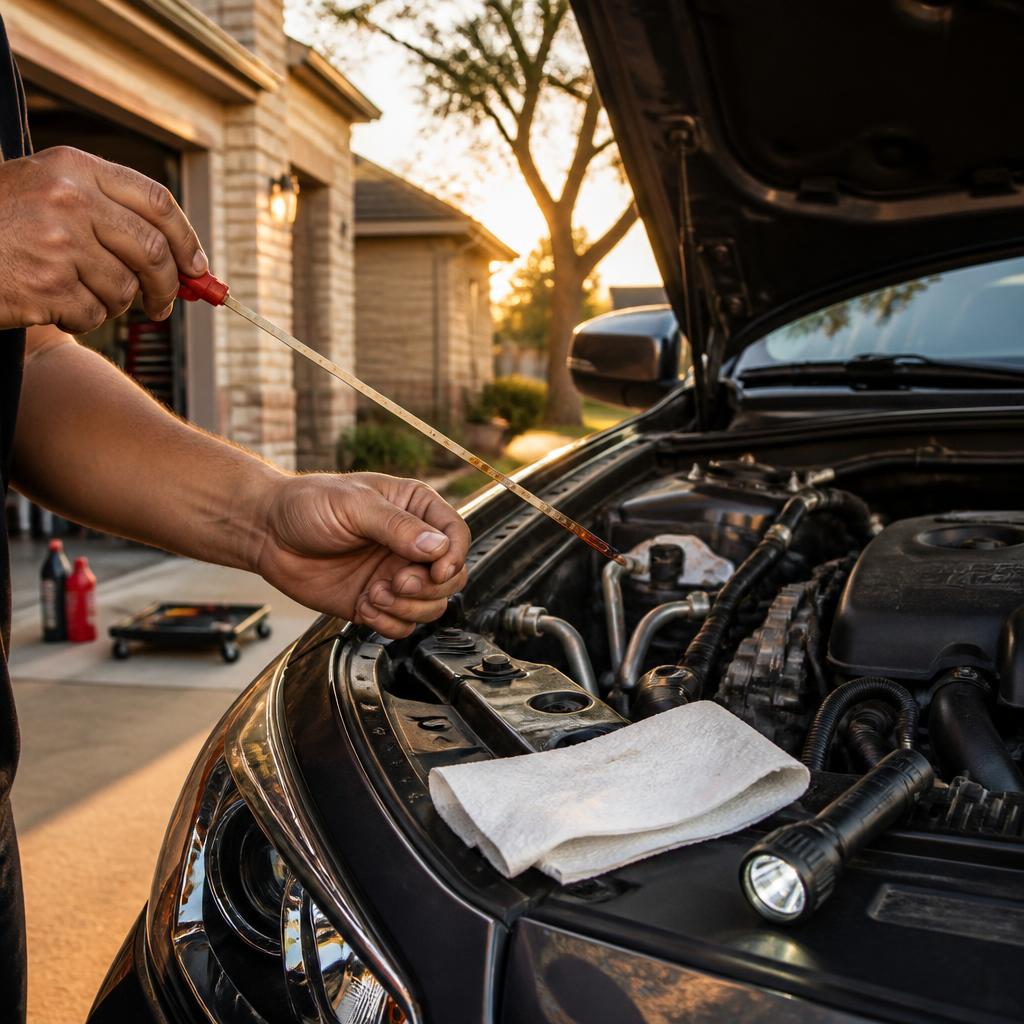
For automatic transmissions, the fluid condition is one of the first indicators. With the engine warm and on level ground (and following your owner’s manual), check the transmission dipstick if your vehicle has one. Healthy fluid is typically pink or red and translucent; dark brown or black fluid and a strong burnt odor indicate overheating or internal wear. Low fluid can produce slipping or delayed engagements, but do not add fluid repeatedly without locating a leak—low levels often mean a leak or failing component rather than normal consumption.
2) Note shifting behavior and delays
Pay attention to when shifting problems occur. Slipping (engine revs rise without acceleration), hard or jerky shifts, delayed engagement when moving from park to drive, or a transmission that refuses to go into gear are classic transmission symptoms. However, similar symptoms can arise from engine misfires, ignition issues, or a failing torque converter. Recording when the problem happens—cold start, after the vehicle is hot, under load or only at certain speeds—helps separate transmission faults from other systems.
3) Listen for unusual noises
Transmission problems can produce whining, grinding, clunking, or rattling noises, particularly during gear changes. Differentiate drivetrain noises (wheel bearings, CV joints, differential) and engine sounds from transmission sounds by noting whether noise changes with engine speed or vehicle speed, and whether it occurs during acceleration, coasting, or when shifting. If a sound is loud, persistent, or accompanied by performance loss, stop driving and have the vehicle inspected to avoid further damage.
4) Look for leaks and fluid spots
Place a piece of cardboard under the vehicle after it’s been parked overnight to check for spots. Transmission fluid is usually red, pink, or brown; oil is darker and engine coolant is often green, orange, or yellow. Visible leaks around the transmission pan, cooler lines, or the front seal can explain low fluid and shifting problems. Cooler lines and pan gaskets are common culprits—if you see a puddle or consistent dripping, have the vehicle evaluated before driving long distances.
5) Check dashboard lights and get codes read
A check engine light can point to transmission-related faults, especially if the vehicle control module detects shifting problems or sensor failures. If you have access to an OBD-II reader, noting stored codes and whether they are active is helpful. If you don’t have a scanner, a shop that provides engine diagnostics can pull codes and interpret them; Access Transmission lists diagnostic services and can advise whether the codes indicate a transmission issue or something else.
6) Safe at-home tests to narrow the issue
There are a few safe tests you can perform without leaving home: with the parking brake on, start the engine and, while holding the brake, shift from Park to Drive briefly to feel how the transmission engages (do not perform high-speed tests in a driveway). For manual cars, note clutch engagement and whether the clutch slips under load. Avoid road tests that you are not comfortable performing. Instead, take short, cautious drives to observe whether problems are consistent, intermittent, or triggered by specific conditions (temperature, speed, hills). Video or audio recordings and clear notes are highly useful for technicians.
When to contact a specialist and what to expect from Access Transmission
If fluid is burnt or leaking, if shifting is erratic, or if you detect loud unusual noises or performance loss, contact a transmission shop rather than delaying. Access Transmission has served San Antonio drivers since 1998 and many customers report prompt, transparent communication, fair pricing, and fast turnaround on transmission work. The shop offers a complimentary shuttle service within 20 miles and performs diagnostic checks to identify the cause before recommending repairs; customers have also noted a two‑year warranty on many rebuilds. When you call (210) 490-4411 or visit https://www.accesstransmission.com, describe the symptoms you observed (fluid color, when the issue occurs, any codes, and recordings if available) so the service team can prioritize the right inspection and next steps.
Article by
Access Transmission
Access Transmission has been a trusted San Antonio institution since 1998, specializing in professional Transmission Repair San Antonio drivers can rely on. Our experienced technicians service domestic and import vehicles using advanced diagnostic equipment for accurate transmission repairs and maintenance. As a trusted Transmission Shop San Antonio drivers choose, we provide honest communication, transparent service, and quality workmanship. We also offer a complimentary shuttle service within 20 miles for added convenience. Contact Access Transmission today for dependable transmission service and keep your vehicle safely on the road.