San Antonio Guide to CVT Transmission Problems: When to Repair, Rebuild, or Replace
A practical guide for San Antonio drivers explaining how CVT transmissions behave, common failure signs, diagnostic steps, and how to decide between repair, rebuild, or replacement—plus how Access Transmission can help.

Why CVTs are different from traditional automatics
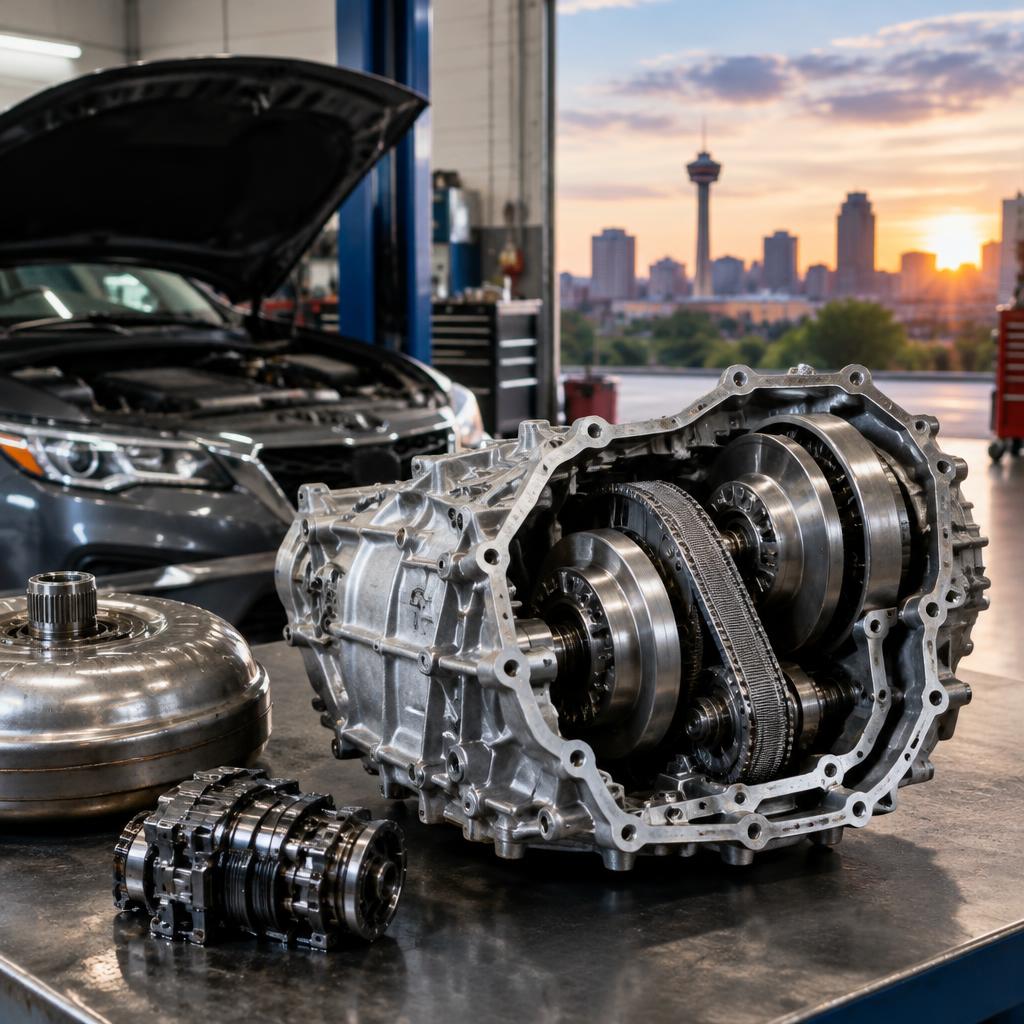
Continuously Variable Transmissions (CVTs) use a belt or chain and a set of variable-diameter pulleys to provide seamless, stepless gear ratios. That design gives smoother acceleration and improved fuel economy compared with conventional automatic gearsets, but it also means CVTs behave and fail differently. Unlike a traditional automatic that shifts between discrete gears, CVTs depend heavily on precise fluid condition, pulley control, and tensioning components, so small faults can produce noticeable drivability symptoms.
Common CVT symptoms San Antonio drivers should watch for
Recognizing symptoms early can limit damage. Typical CVT problems include a hesitation or lack of acceleration under load, a persistent shudder or vibration at cruising speeds, slipping or a loss of drive, overheating warnings, unusual whining or humming noises, and illuminated transmission or check-engine lights. Customers at local shops also report reduced fuel economy and erratic RPM behavior. Because CVTs are sensitive to fluid condition, even long intervals between services can accelerate these issues.
Frequent causes behind CVT failures
Several underlying causes commonly show up in CVT trouble calls: degraded or incorrect transmission fluid, worn belts or chains, failing pulley bearings or tensioners, leaking seals, and faulty hydraulic control solenoids or valve bodies. External factors — such as hot, stop-and-go driving, heavy loads, or delayed maintenance — can worsen wear. Early diagnosis focuses on fluid level and condition, leak checks, and electronic fault codes to separate minor service needs from internal mechanical failures.
What a proper CVT diagnostic should include
A reliable diagnosis combines road symptoms with electronic scanning and a physical inspection. Technicians should retrieve transmission-related fault codes, inspect fluid for contamination or overheating signs, check for leaks and external damage, and perform controlled road checks when safe. Shops with up-to-date diagnostic tools and transmission experience can also test solenoids and assess belt or chain condition. Access Transmission emphasises clear explanations and transparent estimates based on these diagnostic steps, using advanced equipment to pinpoint the root cause before recommending work.
When a CVT can be repaired (short-term and cost-effective fixes)
Some CVT problems respond well to targeted repair: a fluid and filter service when the fluid is contaminated, seal and cooler-line leak repairs, or replacement of failing solenoids and sensors. These interventions are typically the least costly and can restore reliable operation when internal wear is minimal. If your vehicle’s symptoms began suddenly and diagnostics point to external issues or control components, a repair-first approach is often reasonable—provided the technician documents the extent of internal wear.
When to consider a rebuild versus a replacement
A rebuild involves disassembling the transmission, replacing worn internal components (belt/chain, clutches, bearings, seals) and reassembling to factory tolerances. It’s often a good option when internal damage is present but the transmission casing and core systems are sound and replacement parts are available. Replacement with a remanufactured or new unit becomes preferable if the internal damage is extensive, parts are unavailable, or the rebuild cost approaches the price of a reliable replacement. Vehicle age, mileage, overall condition, and ownership plans are key factors—your technician should present transparent estimates for both paths so you can weigh long‑term value.
How to decide and next steps in San Antonio
Start with a full diagnostic whenever you notice symptoms; avoid continuing to drive a vehicle that slips or overheats, as that can increase repair scope. Ask for a written explanation of findings, itemized estimates for repair, rebuild, and replacement, and an explanation of expected outcomes and timelines. Access Transmission, serving San Antonio from 3255 Thousand Oaks Drive and surrounding communities, offers experienced transmission diagnostics, transparent communication, and a two-year warranty on many rebuilds as noted by longtime customers. They also provide a complimentary shuttle within 20 miles to ease logistics. For an evaluation, contact Access Transmission at (210) 490-4411 or visit https://www.accesstransmission.com to schedule a diagnostic and discuss the most practical option for your CVT.
Article by
Access Transmission
Access Transmission has been a trusted San Antonio institution since 1998, specializing in professional Transmission Repair San Antonio drivers can rely on. Our experienced technicians service domestic and import vehicles using advanced diagnostic equipment for accurate transmission repairs and maintenance. As a trusted Transmission Shop San Antonio drivers choose, we provide honest communication, transparent service, and quality workmanship. We also offer a complimentary shuttle service within 20 miles for added convenience. Contact Access Transmission today for dependable transmission service and keep your vehicle safely on the road.